The Ultimate Guide to Roof Ventilation and Insulation for Year-Round Comfort
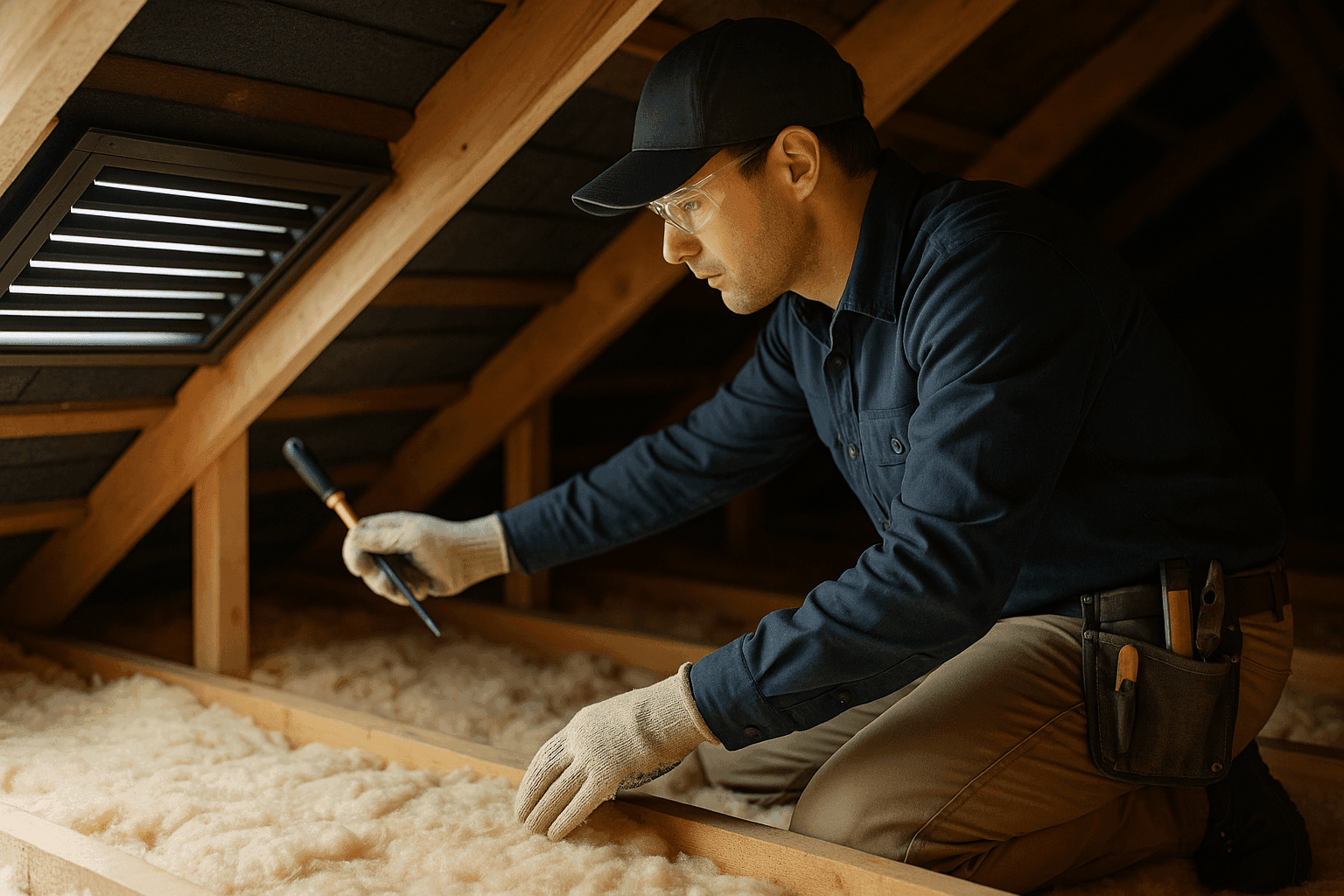
Does your home feel stuffy in summer and chilly in winter, no matter how high you crank the AC or heater? Are your energy bills climbing with no end in sight? You’re not alone. The secret to a comfortable, efficient space often hides above your head—right in your roof.
At Mikku Roofing, we know that roof ventilation and insulation are the unsung heroes of year-round comfort. Whether you’re a homeowner or run a small business, understanding these essentials can save money, prevent headaches, and even protect your investment during emergencies.
What is Roof Ventilation? 🌬️
Roof ventilation is like your building’s lungs. It lets fresh air flow in and pushes stale, moist air out. Without it, your attic can turn into a sauna in summer or a freezer in winter—neither is good for your roof or your comfort.
Common Types of Roof Ventilation
- Ridge Vents: Run along the peak of your roof, letting hot air escape naturally.
- Soffit Vents: Located under the eaves, these pull in cool, fresh air from outside.
- Attic Fans: Mechanically move air in and out, helping in extreme climates or when natural flow isn’t enough.
- Gable Vents: Mounted on the ends of attics, adding extra airflow.
Each type works a bit differently, but they all aim for the same goal: balance. Too little ventilation, and you risk moisture and heat buildup. Too much, and you might invite weather and pests inside. That’s why it’s vital to get the right mix for your specific roof and climate.
Importance of Proper Insulation
Think of insulation as a cozy blanket for your building. It slows heat transfer, keeping warmth inside during winter and blocking outside heat in summer. But not all insulation is created equal.
Types of Insulation Materials
- Fiberglass Batts: Affordable, common, and easy to install.
- Blown-in Cellulose: Great for filling odd-shaped spaces.
- Spray Foam: Seals gaps, offers high R-value, and acts as an air barrier.
- Rigid Foam Boards: Used in flat roofs and specific applications.
Understanding R-Values
R-value measures insulation’s resistance to heat flow. The higher the R-value, the better. Building codes (refer to the International Residential Code and the U.S. Department of Energy guidelines) specify minimum R-values for attics and roofs. More isn’t always better—what matters is the right amount for your climate and roof type.
How Insulation and Ventilation Work Together
Insulation and ventilation are a tag team. Insulation slows heat transfer; ventilation moves unwanted heat and moisture out. If one fails, the other can’t do its job. That’s why Mikku Roofing recommends evaluating both together, especially before emergencies strike.
Benefits of Proper Ventilation and Insulation
Why invest in roof ventilation and insulation? The benefits stack up fast:
- Lower Energy Bills: Keeps your heating and cooling systems from working overtime.
- Moisture Control: Helps prevent mold, mildew, and wood rot by letting damp air escape.
- Prevention of Ice Dams: In cold climates, ventilation keeps the roof cold, stopping ice dams that can cause leaks.
- Longer Roof Life: Reduces stress on shingles and decking, extending your roof’s lifespan.
- Improved Indoor Air Quality: Reduces allergens and pollutants trapped in the attic.
It’s like giving your home or business a breath of fresh air—and a stronger shield against the elements.
Signs Your Roof Needs Ventilation or Insulation Improvements 🕵️
How do you know if your roof’s “lungs” and “blanket” are working right? Watch for these warning signs:
- High Energy Bills: If costs keep rising, poor insulation or blocked vents could be to blame.
- Mold or Musty Odors: Damp, stagnant attics are breeding grounds for mold.
- Ice Dams in Winter: Icicles forming along the roof edge signal heat is escaping.
- Hot or Cold Spots Indoors: Uneven temperatures often point to insulation gaps.
- Peeling Paint or Stains: Moisture buildup in the attic can seep into walls and ceilings.
- Sagging or Warped Roof Decking: A sign of chronic moisture problems.
If you spot any of these, don’t wait—addressing them early can prevent expensive emergency roofing repairs later.
Maintenance Tips and Seasonal Considerations
Routine care keeps your roof’s ventilation and insulation working their best. Here’s how to stay ahead:
Spring & Fall
- Inspect Attic Vents: Make sure they’re clear of debris, nests, or insulation blocking airflow.
- Check Insulation Depth: Look for areas that are compressed, wet, or missing.
- Look for Leaks: After heavy rain, check for water stains or damp spots.
Summer
- Monitor Attic Temperature: It shouldn’t feel like an oven; if it does, ventilation may be lacking.
- Clear Soffit Vents: Trim back any overgrown shrubs or trees blocking vents.
Winter
- Watch for Ice Dams: Remove snow from the roof edge safely, and call for help if ice builds up.
- Check for Drafts: Cold air sneaking into living spaces signals insulation gaps.
Year-Round
- Schedule Professional Inspections: Annual checkups catch small issues before they become emergencies.
- Keep Gutters Clean: Clogged gutters can worsen moisture problems in attics and roofs.
Following these steps keeps your home or business safer, drier, and more comfortable all year.
When to Seek Professional Help
Some tasks are DIY-friendly, but others call for trained hands—especially when safety or emergency roofing is involved. Call in the pros if:
- You notice mold, major leaks, or sagging in your attic.
- There’s a sudden spike in energy bills with no clear cause.
- Ice dams or moisture problems return year after year.
- You’re unsure what type of ventilation or insulation your roof needs.
Mikku Roofing teams are trained to spot issues the untrained eye might miss. Our experience with emergency roofing means we’re ready for urgent problems, too.
Maintenance Tips and Seasonal Considerations 🛠️
Keeping your roof healthy doesn’t have to be complicated. Here are practical steps:
- Clear debris from vents regularly.
- Check attic insulation for dampness or settling.
- After storms, inspect for leaks or damaged shingles.
- Trim trees and shrubs away from roof edges and vents.
- Schedule annual professional roof inspections.
Staying proactive means fewer surprises—and less risk of emergency repairs.
Costs & Time Factors
Roof ventilation and insulation projects can range in complexity and cost. Factors include:
- Roof Size and Shape: Larger or more complex roofs take more time and materials.
- Existing Conditions: Removing old insulation or repairing damage adds to the timeline.
- Material Choices: Spray foam costs more than fiberglass, but offers higher efficiency.
- Labor: Professional installation ensures safety and code compliance.
Most jobs can be completed in a day or two, but severe issues or emergency roofing needs may require more time. Investing now can save much more in future repairs or energy bills.
When It’s an Emergency
Some ventilation or insulation issues can’t wait. Call for emergency roofing help if:
- Water is leaking through your ceiling or attic.
- You spot widespread mold or structural sagging.
- Ice dams are causing water to back up inside.
- You smell burning or electrical odors in the attic.
Quick action can prevent further damage and keep your family or business safe.
Frequently Asked Questions
How often should I check my attic ventilation and insulation?
At least once a year, preferably in spring or fall. After major storms or extreme weather, check again.
Can I add more insulation without improving ventilation?
It’s risky. Trapping moisture can cause mold and rot. Always balance upgrades to both systems.
Will better ventilation and insulation lower my insurance costs?
Some insurers offer discounts for energy-efficient or well-maintained roofs. Ask your provider for details.
What’s the best insulation for my roof?
It depends on your roof type, climate, and budget. Fiberglass is common, but spray foam or cellulose may be better in some cases. A professional can help you decide.
Special Considerations for Roof Ventilation and Insulation
Every roof is unique. Flat roofs, metal roofs, and tile roofs each have their own needs. Commercial properties may require higher ventilation rates or specialized insulation. Always follow manufacturer guidelines and building codes like the International Building Code (IBC) and International Residential Code (IRC).
If you’re planning a new roof, remodel, or emergency roofing repair, now is the perfect time to review your ventilation and insulation setup. A well-designed system pays off for years.
Ready to make your home or business more comfortable, efficient, and protected?
Call Mikku Roofing now — or reach us anytime at 877-779-0574 .