How to Prepare Your Roof for Winter: Essential Tips for Homeowners and Businesses
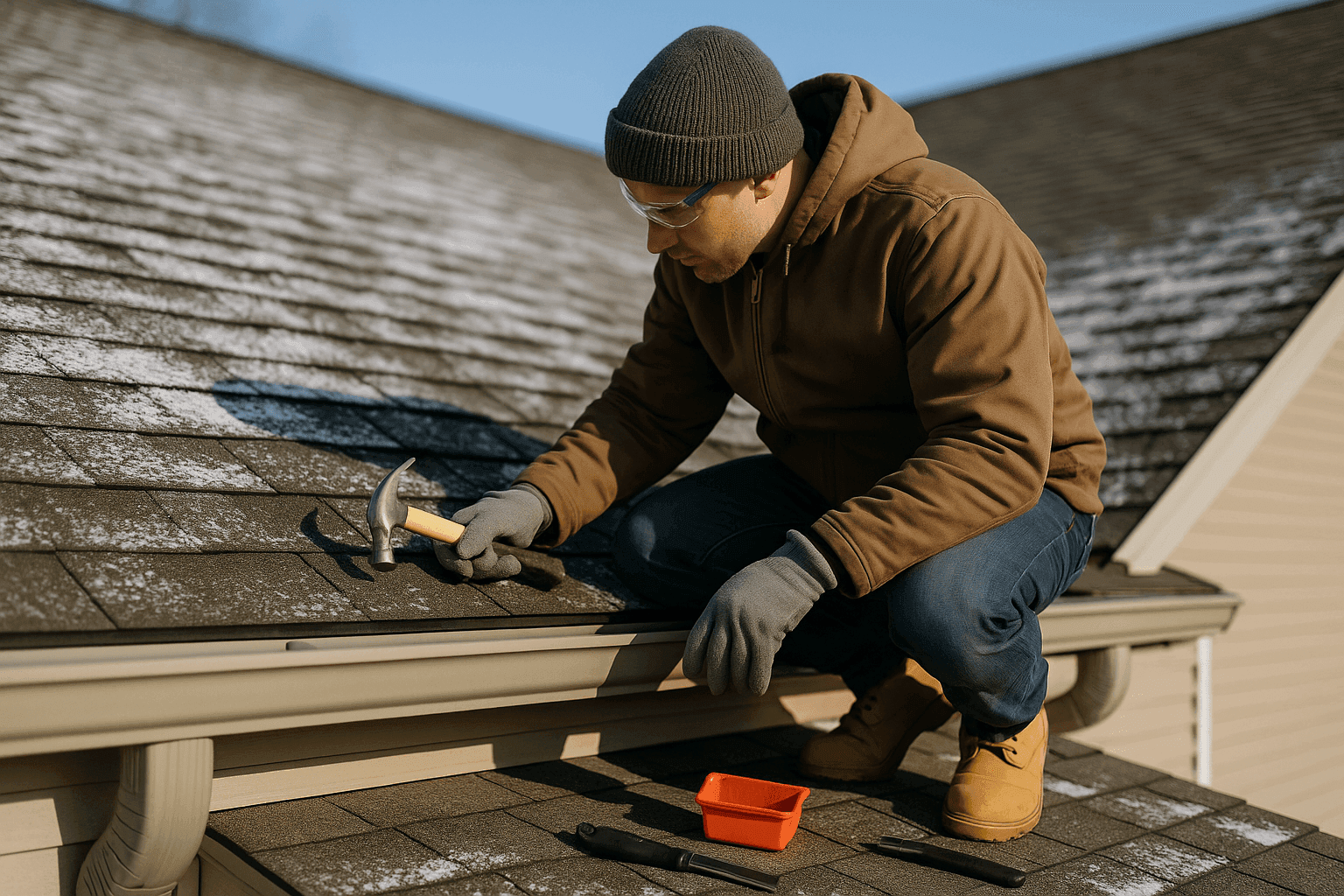
Winter sneaks up fast. One minute, you’re enjoying crisp autumn air. The next, a blanket of snow is weighing down your roof. For homeowners and small business owners, that first snowstorm isn’t just a pretty scene—it’s a stress test for your roof.
At Mikku Roofing, we know how winter can turn a tiny leak into a waterfall, or a loose shingle into a full-blown emergency. Here’s how to protect your investment and keep your roof—and what’s underneath it—safe all season long.
Why Winter Roof Prep Matters
Your roof is like a helmet for your home or business. When winter hits, it faces freezing rain, snow, ice, and wild temperature swings. Left unchecked, small problems can become big headaches: leaks, ice dams, ruined insulation, and even structural damage. According to the National Roofing Contractors Association (NRCA), most emergency roofing calls in winter stem from issues that could have been caught with early prep.
Think of winter prep as putting on a warm coat before heading out into a blizzard. It’s not just about comfort—it’s about survival.
Conducting a Thorough Roof Inspection Before Winter 🧐
A careful inspection is the first step. Don’t just glance from the driveway. Get up close—safely—or call in a pro.
What to Look For
- Missing, cracked, or curling shingles
These are like open doors for water. - Damaged flashing
Flashing, especially around chimneys and skylights, is a common weak point. - Clogged or sagging gutters
Water backup here leads to ice dams and roof leaks. - Loose or missing downspouts
Downspouts direct water away from your foundation. If they’re loose or clogged, you’re in trouble. - Signs of leaks inside
Check your attic for damp insulation, water stains, or musty odors. - Moss or algae growth
These can trap moisture and weaken roofing materials. - Vent and insulation issues
Poor ventilation causes ice dams and heat loss.
When to Call a Professional
If you notice any of the above—or if your roof is steep or hard to access—don’t risk it. Professional roofers use harnesses, ladders, and know what to look for. A certified inspection often uncovers hidden problems before they turn into emergencies.
Essential Maintenance Tasks for Winter Roof Readiness
Routine maintenance is your best defense. Here’s what to tackle before the first freeze:
- Clean Gutters and Downspouts
Remove leaves, twigs, and debris. Water needs a clear path off your roof. - Check Gutter Brackets and Downspout Connections
Tighten any loose hardware and inspect for rust or separation. - Seal Cracks and Gaps
Use roofing sealant on minor cracks in flashing, vents, or around skylights. - Reinforce Insulation
Proper attic insulation keeps heat inside and prevents ice dams. - Inspect Roof Vents
Blocked vents mean trapped moisture and increased ice dam risk. - Trim Overhanging Branches
Snow-laden branches can snap and damage your roof. - Examine Skylights and Chimney Flashing
These are notorious for letting water in if not properly sealed.
Regular maintenance not only prevents leaks but also helps reduce heating costs by keeping warm air where it belongs.
Preparing for Storms and Emergency Situations
Winter storms can be unpredictable. High winds, heavy snow, and ice can stress even the toughest roofs.
Spotting Vulnerabilities
- Loose shingles or tiles
These can blow off in a storm, exposing your roof deck. - Weak roof decking or sagging areas
Heavy snow can cause collapse if the structure is compromised. - Damaged sealants or coatings
Water finds the smallest opening and freezes, widening cracks.
Emergency Roofing Services
If you spot a leak, sudden water stains, or notice part of your roof missing after a storm, call for emergency roofing help right away. Emergency services can:
- Tarp exposed areas to prevent further damage
- Patch leaks temporarily until a full repair is possible
- Clear heavy snow or ice dams safely
According to the Occupational Safety and Health Administration (OSHA), climbing on icy roofs is especially dangerous—leave this to professionals trained in winter safety.
Safety Tips for Winter Roof Care ❄️
Safety comes first. Every year, thousands of people end up in the ER after falling from ladders or roofs.
- Never climb on icy or snow-covered roofs
- Use a sturdy ladder on level ground
- Wear non-slip boots and gloves
- Have someone spot you from below
- Don’t overreach—move the ladder instead
- If in doubt, call a professional
Remember, even simple tasks like clearing gutters can be risky in winter conditions.
DIY vs. Professional Help: What’s Right for You?
Some maintenance tasks are safe for a handy homeowner. Others? Not so much.
Good DIY Tasks
- Cleaning gutters (from a sturdy ladder)
- Trimming small branches
- Checking attic insulation and ventilation
When to Call a Pro
- Inspecting or repairing steep, tall, or complex roofs
- Fixing flashing, skylights, or chimney caps
- Addressing leaks, storm damage, or structural issues
- Removing snow or ice dams
Roofers carry the right equipment, safety gear, and experience to spot issues you might miss.
What Pros Do On Arrival
When you call Mikku Roofing, here’s what to expect:
- Detailed Inspection
We check shingles, flashing, gutters, downspouts, attic insulation, and ventilation. - Moisture Detection
Using tools to find hidden leaks or water damage. - Immediate Repairs or Temporary Protection
Emergency tarping or sealing to prevent further damage. - Clear Reporting
We’ll explain what we found and what needs fixing—no jargon, just facts.
Professional roofers follow guidelines from the NRCA and OSHA for safety and quality.
Prevention & Maintenance: Keeping Problems at Bay
An ounce of prevention really is worth a pound of cure. Here’s a seasonal checklist:
-
Fall
- Clean gutters and downspouts
- Inspect for damaged shingles or flashing
- Check attic for leaks or dampness
- Schedule a professional inspection if needed
-
Winter
- Watch for ice dams at roof edges
- Monitor for signs of leaks after storms
- Remove excess snow if safe (or call a pro)
-
Spring
- Inspect for winter damage
- Clean gutters again
- Address any issues before spring rains
Regular attention keeps your roof strong, your heating bills lower, and your peace of mind intact.
Costs & Time Factors: What to Expect
Roof prep doesn’t have to break the bank. Most maintenance tasks—like gutter cleaning or minor sealing—can be done in a few hours. Larger repairs or emergency work may take longer, especially if weather delays access.
- Simple maintenance: Often completed in a day or less
- Inspections: Typically 1–2 hours
- Emergency repairs: Vary based on severity and weather
Investing a little time and money now can save you from costly repairs down the road.
When It’s an Emergency
Not every roof issue is urgent, but some need immediate attention:
- Active leaks during a storm
- Partial roof collapse or sagging
- Missing shingles or flashing after high winds
- Ice dams causing water to back up inside
If you’re facing any of these, call for emergency roofing help right away. Quick action can prevent further damage to your home or business.
Frequently Asked Questions
How often should I inspect my roof in winter?
Check your roof at least twice a year—once before winter and once after. After any major storm, do a quick visual check for obvious damage.
What’s the best way to prevent ice dams?
Keep gutters clear, ensure attic insulation is adequate, and make sure your roof is properly ventilated. Ice dams form when heat escapes through the roof, melting snow that refreezes at the edges.
Can I remove snow from my roof myself?
Only if it’s safe. Use a roof rake from the ground and never climb onto a snow-covered roof. For heavy snow or ice dams, call a professional.
What are signs I need emergency roofing services?
Look for active leaks, sagging ceilings, missing shingles, or water stains that appear suddenly. If in doubt, it’s safer to call for help.
Special Considerations for Winter Roofing
- Flat Roofs: More prone to pooling water and snow buildup. Regular checks are vital.
- Metal Roofs: Snow slides off easily but can create dangerous drifts below—watch entrances and walkways.
- Tile and Shingle Roofs: Check for cracks or broken tiles, as freeze-thaw cycles can make problems worse.
- Older Roofs: May need extra attention, as materials weaken over time.
Following manufacturer guidelines and the International Building Code (IBC) helps ensure your winter prep meets industry standards.
Call Mikku Roofing now — or reach us anytime at 877-779-0574 .