How to Extend Your Roof’s Lifespan: Essential Maintenance Tips for Homeowners and Businesses
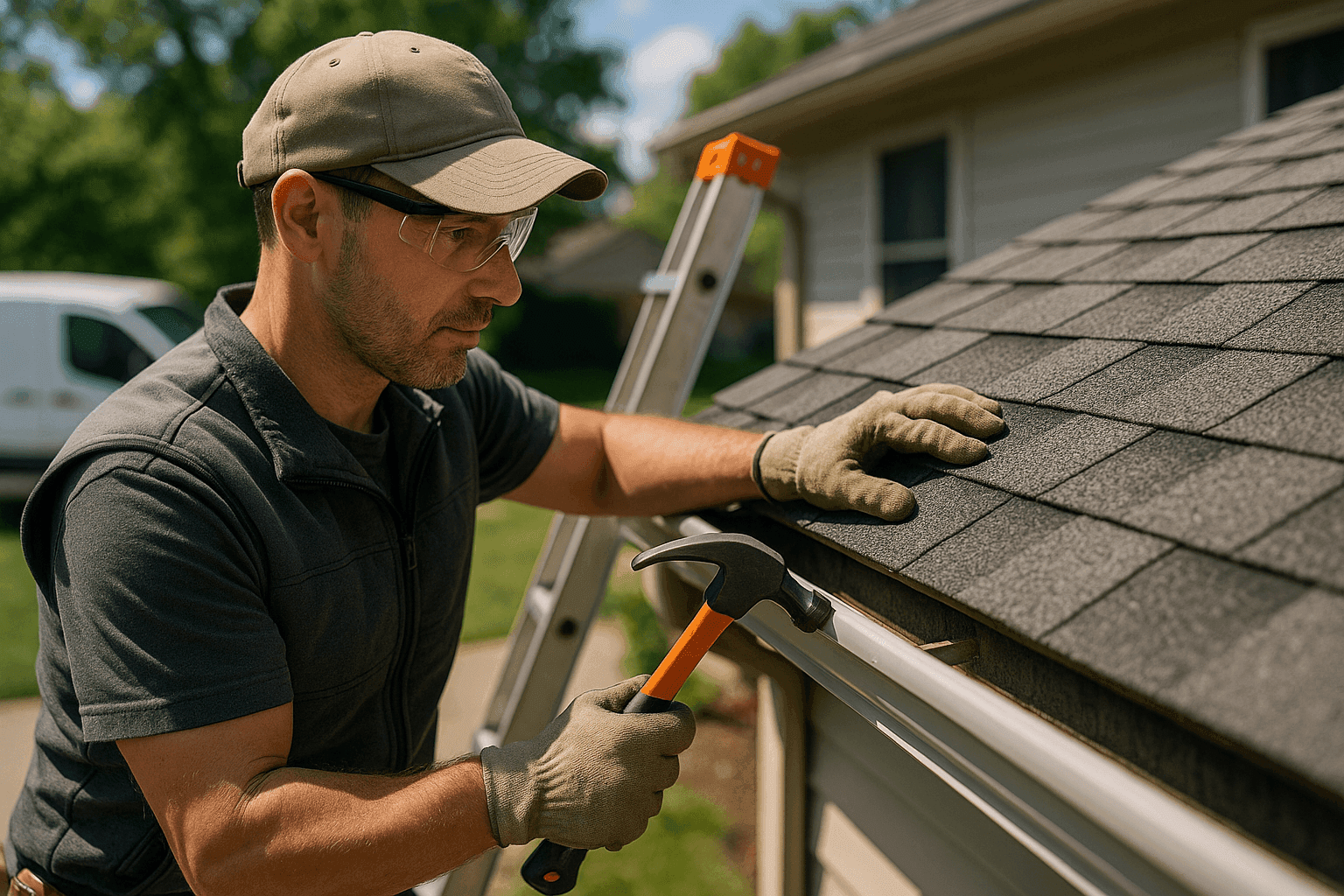
Keeping a roof over your head is more than just a saying—it’s a responsibility. Whether you’re a homeowner or a small business owner, your roof stands guard against storms, sun, and every season in between. But even the toughest roofs need a little help to stay strong.
Ignoring roof maintenance is like skipping oil changes for your car. Sooner or later, small problems become big, expensive ones. At Mikku Roofing, we know that a little attention now can save you from emergency roofing calls later.
Understanding Roof Wear and Tear 🏚️
Every roof faces an uphill battle with time. Wind, rain, sun, and even falling leaves can chip away at its strength. Here’s what typically wears down a roof:
- Weather: Hail, heavy rain, and snow can loosen shingles and cause leaks.
- Sunlight: UV rays dry out materials, making them brittle and prone to cracks.
- Debris: Branches, leaves, and dirt trap moisture and encourage mold.
- Animals: Birds and critters can nest or burrow, damaging insulation and flashing.
- Age: Even the best materials eventually break down.
Think of your roof like a shield. Over time, small dents and cracks can let trouble seep in. That’s why regular checks are so important.
Seasonal Maintenance Checklist
Roofs face different challenges as the seasons change. Here’s how to keep yours in top shape, all year long.
Spring
- Check for winter damage—loose shingles, cracked tiles, or missing flashing.
- Clear out gutters and downspouts to make sure water flows freely.
- Inspect attic insulation for signs of leaks or mold.
Summer
- Look for sun damage, like curling shingles or faded coatings.
- Trim back overhanging branches that could scrape or fall during storms.
- Make sure attic ventilation is working—heat buildup can warp your roof.
Fall
- Remove leaves and debris from gutters and roof valleys.
- Look for moss or algae growth and gently clean affected areas.
- Inspect all sealants around vents, skylights, and chimneys.
Winter
- Check for ice dams along the eaves—these can force water under shingles.
- Watch for heavy snow buildup and safely remove it if necessary.
- Inspect ceilings inside for water stains or new leaks after storms.
Inspecting Roof Components
A roof is more than just shingles. Here’s what to look at during your walkaround (from the ground or with binoculars—never risk your safety):
- Shingles or Tiles: Missing, cracked, or curling pieces are red flags.
- Flashing: Metal strips around chimneys, skylights, and vents should be snug and rust-free.
- Gutters and Downspouts: Make sure they’re firmly attached and not clogged.
- Sealants and Coatings: Look for gaps, bubbles, or peeling.
- Attic and Insulation: Dampness or mold means water is sneaking in somewhere.
Cleaning and Gutter Care
Imagine your gutters as the roof’s drainage pipes. If they clog, water backs up and spills onto your roof, causing rot and leaks. Here’s how to keep everything flowing:
- Clean gutters and downspouts at least twice a year—more if you have lots of trees nearby.
- Use a small scoop or garden trowel to remove debris, then flush with a hose.
- Check that water flows away from the foundation.
- Install gutter guards to reduce buildup if you want less hassle.
Regular cleaning prevents surprise leaks and extends your roof’s lifespan.
Preventative Repairs and When to Call a Professional
Some roof issues are like slow leaks in a boat. They start small but can sink you if ignored. Here are signs you need professional help:
- Persistent leaks: Water stains on ceilings or walls, even after you’ve cleaned gutters.
- Sagging areas: The roofline should be straight and even.
- Damaged flashing or sealants: Gaps around chimneys, vents, or skylights.
- Granules in gutters: Shingle grit means your roof’s protective layer is wearing off.
- Visible mold or rot: Especially on decking or in the attic.
If you spot these, don’t wait. Emergency roofing services can prevent further damage and costly repairs.
Benefits of Professional Roof Inspections 🕵️
Climbing on a roof isn’t just risky—it’s easy to miss hidden problems if you’re not trained. Here’s why having Mikku Roofing inspect your roof pays off:
- Safety: Professionals use harnesses, safety gear, and know how to spot weak spots.
- Thoroughness: We check every component—shingles, flashing, gutters, insulation, and more.
- Early Detection: Catching minor issues early means lower repair bills later.
- Long-Term Savings: A well-maintained roof can last years longer, saving you from premature replacement.
According to the International Association of Certified Home Inspectors, regular roof inspections are key to preventing major structural damage. Don’t leave your property’s safety to chance.
Practical Maintenance Tips for Homeowners and Businesses
- Walk around your property after every major storm to check for visible damage.
- Schedule professional inspections at least once a year, or after severe weather.
- Clear away debris from the roof and gutters regularly—especially in fall and spring.
- Watch for signs of animal activity in the attic or on the roof.
- Keep records of repairs and inspections for warranty and insurance purposes.
When to Call for Emergency Roofing
Some situations can’t wait. If you notice:
- Active leaks during a storm.
- Severe storm or wind damage.
- Large sections of missing shingles or tiles.
- Sagging or collapsing areas.
Call for emergency roofing services right away. Fast action can prevent further damage to your property and belongings.
Frequently Asked Questions
How often should I have my roof inspected?
It’s smart to have your roof professionally inspected once a year, and after any major storm. Regular checks spot small issues before they become big headaches.
Can I clean my own gutters and roof?
Yes, if you’re comfortable working from a ladder and have the right safety gear. But for steep or high roofs, or if you notice damage, it’s safer to call a professional.
What’s the average lifespan of a roof?
Most shingle roofs last 20–25 years, while metal and tile can last longer with care. Regular maintenance is the key to getting the most from your investment.
Are eco-friendly roofing options available?
Absolutely. Mikku Roofing offers energy-efficient materials, coatings, and insulation that can help lower utility bills and reduce your environmental footprint.
Special Considerations for Roof Maintenance
- Flat Roofs: These require extra attention to drainage and ponding water.
- Commercial Properties: Larger roofs may need more frequent inspections and specialized materials.
- Historic Buildings: Older roofs may need custom repairs to preserve their character.
Always consult a licensed roofing contractor for repairs involving structural elements or complex systems.
Your roof is your property’s first line of defense. With regular maintenance and a watchful eye, you can prevent emergency repairs and keep your home or business safe for years to come.
Call Mikku Roofing now — or reach us anytime at 877-779-0574 .