How to Detect and Fix Roof Leaks Before They Cause Major Damage
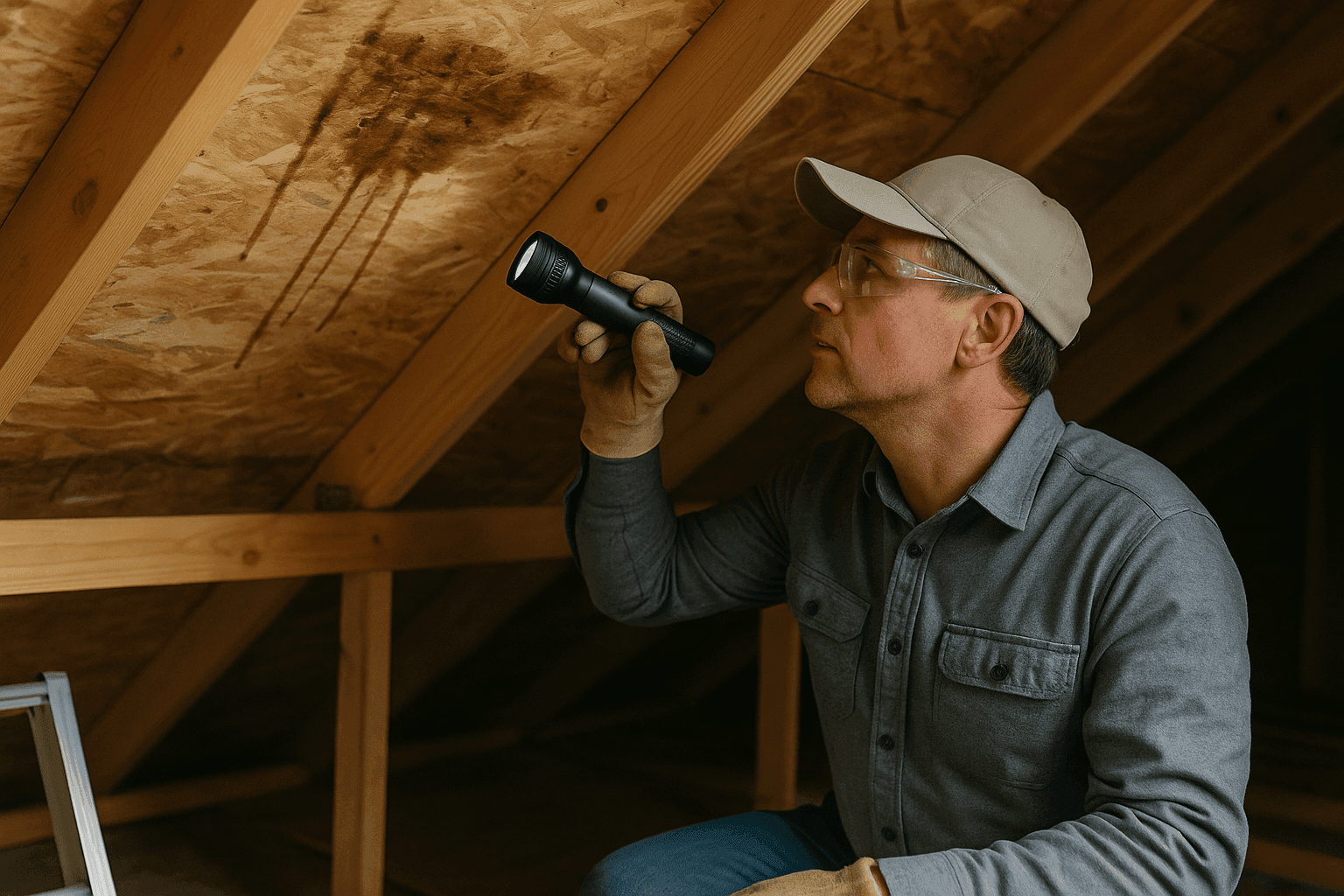
A roof leak never knocks politely. It sneaks in, quiet as a mouse, and before you know it—there’s a stain on your ceiling or water pooling in the attic. For homeowners and small business owners, even a tiny leak can spell big trouble if left unchecked.
At Mikku Roofing, we’ve seen how fast a drip turns into a disaster. That’s why knowing how to spot leaks early, fix them right, and keep your roof strong matters more than ever. Let’s walk through what you need to know.
Why Roof Leaks Are a Big Deal
A roof is like your building’s shield. When it’s compromised, everything inside is at risk. Water can rot wood, fry electrical systems, and set the stage for mold. What starts as a small stain can grow into costly repairs, structural damage, or even health hazards.
Leaks rarely fix themselves. The sooner you act, the less pain—and expense—you’ll face down the road.
Quick Safety Checklist Before You Inspect 🦺
Safety first, always. Roofs can be slippery, steep, and unpredictable. Before you grab a ladder or flashlight, run through this checklist:
- Wait for dry weather. Wet roofs are dangerous.
- Wear sturdy, slip-resistant shoes. No sandals or bare feet.
- Use a stable, properly placed ladder. Make sure it’s on solid ground.
- Never go alone. Have someone nearby in case you need help.
- Don’t walk on steep or damaged roofs. Leave those to professionals.
- Gloves and eye protection. Especially in attics or crawl spaces.
The National Roofing Contractors Association (NRCA) recommends never working on a roof alone and always using fall protection when possible.
Common Signs of a Roof Leak
Most leaks don’t announce themselves with a waterfall. Instead, look for these subtle clues:
- Water stains on ceilings or walls—yellow, brown, or coppery rings.
- Mold or mildew—especially in corners or along attic beams.
- Peeling paint or bubbling plaster.
- Damp insulation or musty smells in the attic.
- Dripping sounds during or after rain.
- Shingle damage—missing, cracked, or curled shingles.
- Granules in gutters—from worn-out asphalt shingles.
- Sagging roof decking—visible from inside the attic.
Think of these as your roof’s SOS signals. The sooner you notice, the better.
DIY Inspection: What You Can Safely Check
You don’t need to be a pro to spot trouble. Here’s how to do a basic check:
Indoors
- Attic: Bring a flashlight. Look for wet insulation, water stains, or daylight shining through the roof boards.
- Ceilings & Walls: Check for new stains, soft spots, or peeling paint.
Outdoors
- Shingles: Scan for missing, lifted, or cracked shingles.
- Flashing: Inspect metal strips around chimneys, vents, and skylights for rust or gaps.
- Gutters & Downspouts: Make sure they’re clear and water flows away from the house.
- Sealants & Caulking: Look for cracks or shrinking around roof penetrations.
If you spot anything suspicious, jot it down. Photos help too—especially if you need to call for emergency roofing help later.
DIY vs. Calling a Professional
It’s tempting to fix a leak yourself, especially if you’re handy. But not all leaks are created equal.
DIY Fixes
- Temporary roof patch: Roofing tape or tar can buy you time.
- Sealant application: Good for small cracks in flashing or around vents.
- Replace a shingle: If you’re comfortable and it’s safe, you can swap out a damaged shingle.
When to Call Mikku Roofing
- You can’t find the source. Water travels—what’s wet inside may be far from the outside leak.
- Multiple leaks or widespread damage.
- Steep, high, or slippery roofs.
- Signs of structural damage: Sagging, rot, or large areas of missing shingles.
- After a major storm or freeze.
Remember: A quick fix is just that—quick. Permanent repairs need the right tools, materials, and expertise.
What Happens When a Pro Arrives
Wondering what to expect? Here’s how Mikku Roofing handles a leak call:
- Thorough inspection: Inside and out, including attics, roof surface, gutters, and flashing.
- Moisture detection: Sometimes with infrared sensors or moisture meters.
- Identify the leak source: Tracking water’s path is key.
- Assess damage: Structural, insulation, decking, and more.
- Discuss options: From emergency patching to full repair or replacement.
- Perform repairs: Using quality materials—shingles, sealants, flashing, or even new decking as needed.
Our team always follows Occupational Safety and Health Administration (OSHA) guidelines for ladder safety and fall protection.
Prevention & Maintenance: Keeping Leaks at Bay 🛡️
An ounce of prevention is worth a pound of buckets under your ceiling. Here’s how to keep your roof leak-free:
- Annual inspections: Catch problems early.
- Clear gutters and downspouts: Water should flow away, not back up under shingles.
- Trim overhanging branches: Less debris means less wear.
- Check after storms: High winds and hail can do hidden damage.
- Maintain flashing and sealants: These are common leak points.
- Upgrade insulation and ventilation: Prevents ice dams and condensation.
Mikku Roofing offers preventative maintenance plans for both homes and small businesses, so you can rest easy year-round.
Costs & Time Factors
No two leaks are alike. Repair costs and timelines depend on:
- Size and location of the leak.
- Type of roofing material.
- Extent of water damage.
- Access and safety requirements.
- Weather conditions.
A simple shingle replacement may take an hour. Structural repairs or full replacements take longer. Acting quickly keeps costs down—wait too long, and water damage can multiply repair bills.
When It’s an Emergency
Some leaks can wait a day. Others need attention now. Here’s when to treat it as an emergency roofing situation:
- Rapid or heavy water intrusion.
- Ceiling collapse risk.
- Electrical hazards from water contact.
- Major storm or wind damage.
- Visible daylight through roof boards.
Don’t wait. Move valuables, contain water if possible, and call Mikku Roofing’s emergency services line right away.
Frequently Asked Questions
How do I know if a roof leak is serious?
If water is entering your living or work space, ceilings are sagging, or you see widespread mold, it’s serious. Even small leaks can become big problems if ignored.
Can I use caulk or sealant as a permanent fix?
Not usually. Sealants are great for temporary patches, but they don’t address underlying problems like damaged shingles or flashing.
How often should I have my roof inspected?
The National Roofing Contractors Association recommends at least once a year—ideally in spring or fall, plus after major storms.
What should I do if I find a leak during a storm?
Stay safe. Move electronics and valuables, use buckets to catch water, and call emergency roofing services as soon as possible.
Special Considerations for Roof Leak Repair
- Flat roofs: Leaks can be harder to spot; ponding water is a red flag.
- Metal roofing: Look for rust, loose fasteners, and seams.
- Tile or shingle roofs: Cracked or missing pieces are common leak sources.
- Skylights and chimneys: Flashing around these features is a frequent culprit.
- Eco-friendly options: Ask about sustainable materials and coatings for repairs.
Remember, seasonal changes matter. After a winter freeze or heavy storm, always check your roof—even if you don’t see obvious signs.
Call Mikku Roofing now — or reach us anytime at 877-779-0574 .